Nomadic Lifestyle Tours in Mongolia: A Local's 2026 Guide

The most authentic nomadic lifestyle tours in Mongolia come from small, locally owned operators who work directly with herder families, not from staged "nomad shows" or hotel-style ger camps. Look for a tour that includes at least one night in a real family's ger, time for everyday work such as milking, herding and making dairy, and a Mongolian guide who can translate the conversation at the dinner table. Enza Tours arranges family stays like this in central Mongolia, the Gobi and the north, and this guide explains how to tell the real thing from the imitation.
Every summer we meet travelers who booked a "nomadic experience" elsewhere and came home having watched a costume performance from a plastic chair. Herding is still a living way of life here, practised by hundreds of thousands of people, so there is no need to settle for theatre.
What "authentic" actually means
There are three very different things sold under the same label.
Tourist ger camps are essentially hotels made of gers, with a restaurant and hot showers. Comfortable, and a perfectly good base, but nobody herds anything there.
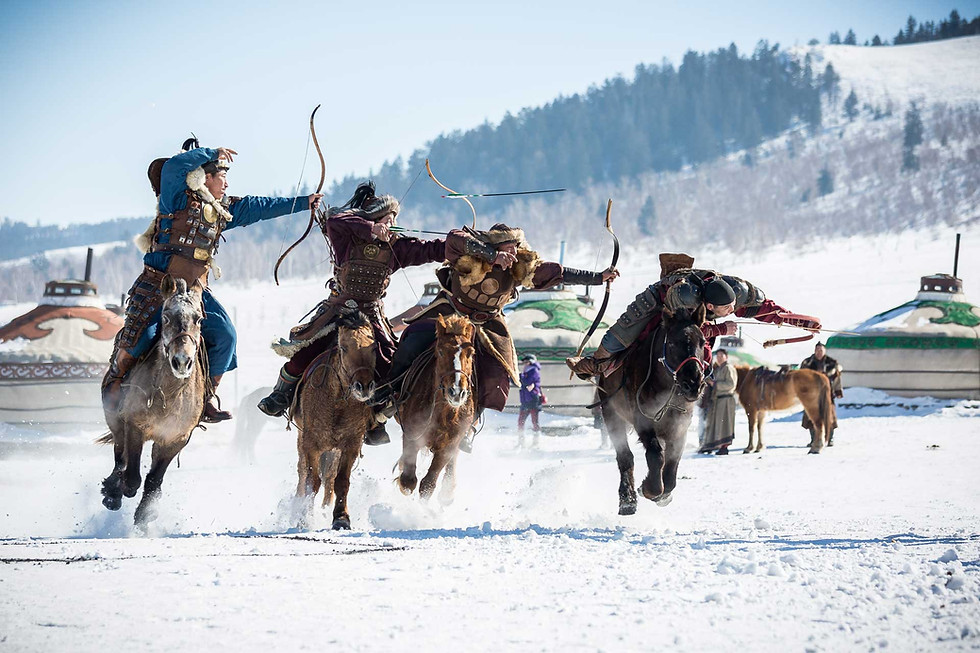
Nomad shows are half-day performances near Ulaanbaatar with wrestling, horse games and a ger-building demonstration. Entertaining and useful if you have one afternoon, as we describe in our post on the Mongol Nomadic program, but not daily life.
Family stays mean sleeping in a guest ger beside a working household, eating what they eat, and joining in when there is work to do. This is the nomadic lifestyle tour most people are actually searching for.
If you want the background first, our article on nomadic life in Mongolia today explains how herder families live, move and make a living across the year.
Where to find authentic nomadic lifestyle tours in Mongolia
Central Mongolia
The easiest region to reach and the one we recommend for a first trip. Horse-herding families in the Orkhon Valley and around Khustai and Khögnö Khan are one to five hours from Ulaanbaatar, and many have hosted travelers for years while still running large herds. Summer here is the dairy season: airag (fermented mare's milk), dried curds and butter are all made in July and August.
The Gobi
Camel-herding families in the south live in a harsher, drier landscape with a different rhythm. Distances are long and water is precious, which is exactly why the hospitality feels so genuine. Combine a family stay with the dunes at Khongoryn Els and the cliffs at Bayanzag.
Northern Mongolia
Around Lake Khövsgöl the herders keep yaks and cattle, and further into the taiga live the Tsaatan reindeer herders, one of the smallest nomadic communities in the world. Reaching them takes time and a horse, which is part of what keeps the visit real.
Western Mongolia
Kazakh families in Bayan-Ölgii hunt with golden eagles and keep their own language and customs. Autumn is the season to visit, when the eagle festivals are held and the hunters are preparing for winter.
What a day with a nomadic family looks like
You wake to the sound of the herd being let out. Morning is milking, milk tea on the stove and, if the family is making dairy, hours of stirring and straining. Late morning someone rides out to check the animals, and guests are welcome to follow on horseback. Afternoons are quieter: repairing tack, collecting dung for fuel, children playing with knucklebones. Evening brings the herd home, dinner together, and more tea. Nothing is scheduled for you, which is the point.
How to choose a tour that is genuinely nomadic
The operator can name the family you will stay with and has worked with them for years, not just for this season.
A fair share of what you pay goes to the family directly, and the operator is happy to explain how.
Groups are small. Twelve people in one family's yard is a show, not a stay.
Your guide is Mongolian and translates both ways, so the family can ask you questions too.
The itinerary respects the family's calendar. In spring they are busy with newborn animals; in late autumn they may be moving camp.
The tour includes time. One lunch stop in a ger is a photo opportunity; two nights is a relationship.
Best time for a nomadic lifestyle tour
June to September is the practical window: the pasture is green, families are settled in summer camp, and dairy work is in full swing. July is busiest because of Naadam, while late August and September are calmer and the light is beautiful. Spring is windy and families are stretched thin with lambing; winter stays are possible for the hardy and unforgettable, but only with careful planning. Our Mongolia tour guide FAQ covers season choice in more detail.
Etiquette that makes a family stay go well
Enter the ger without stepping on the threshold, accept tea with your right hand, and do not point your feet at the stove or the altar. Bring a small practical gift such as tea, sugar, sweets for children or school supplies rather than alcohol. Ask before photographing people, and put the camera down for a while; it changes how the evening goes. Our guide to Mongolian customs goes through all of this in more detail.
Frequently asked questions
Can I really stay overnight in a nomadic family's ger?
Yes. Most families we work with keep a guest ger or make space in their own. Bedding is provided; bring a sleeping bag liner for comfort.
Is a nomadic lifestyle tour suitable for children?
Very much so. Herder families have children of their own, animals everywhere and no screens, and most kids adapt faster than their parents.
Do I need to speak Mongolian?
No. Your guide translates, and a few words of greeting go a long way. Families are used to visitors who communicate by pointing and laughing.
How many nights should I plan?
Two nights with one family is the minimum for it to feel like more than a visit. Longer trips often combine two or three family stays in different regions.
A locally owned operator has the relationships that make these stays possible, and it keeps the money in the countryside. If you would like us to arrange a family stay that fits your dates, get in touch and tell us what you hope to experience.