


Mongolia's Snow Leopard Mountains Become a UNESCO Biosphere Reserve

Tost Toson Bumbiin Nuruu, a range of rugged mountains in Mongolia's South Gobi known for its snow leopards, is now a UNESCO Biosphere Reserve, the country's 13th. UNESCO added it to its world network in June 2026, and the reserve received its certificate this month. Nothing about visiting has changed yet, but it puts one of the Gobi's wildest corners firmly on the conservation map.

What was announced
UNESCO named 14 new biosphere reserves on World Environment Day, 5 June 2026, and Tost Toson Bumbiin Nuruu in Mongolia was one of them. With those additions, the World Network of Biosphere Reserves now has 797 sites in 145 countries.
On 29 September, Montsame reported that the Tost and Toson Bumba Mountain Nature Reserve has officially received its UNESCO Biosphere Reserve certificate, making it Mongolia's 13th site in the network. According to the national news agency, the decision was taken at the 38th session of the International Co-ordinating Council of UNESCO's Man and the Biosphere (MAB) Programme, held in Paraguay in June. To mark it, the reserve hosted a workshop on "UNESCO Biosphere Reserves and Sustainable Tourism". It brought together people from Mongolia's other protected areas, among them Bogd Khan Mountain, the Uvs Lake Basin, Khustai National Park and Gobi Gurvansaikhan National Park.
Where Tost is, and why it matters
The reserve sits in Ömnögovi (South Gobi) province. The nature reserve itself lies in Gurvantes soum and was enlarged to about 896,500 hectares in 2019, when the government also revoked a coal-mining licence in the area, Montsame reported at the time. UNESCO's biosphere reserve covers a wider area of 1,661,408 hectares, according to its official site profile.
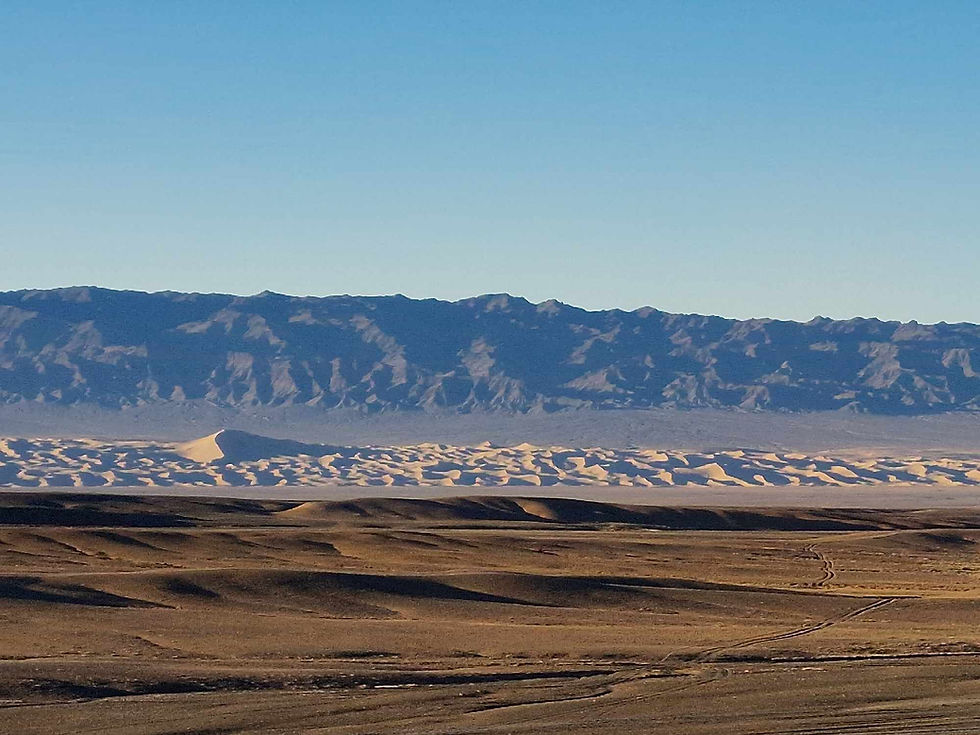
UNESCO describes the landscape as "a dramatic meeting of rugged mountain ranges and vast desert steppe", where summer highs reach 40°C and winter lows fall to −35°C. Its main value is as a corridor. Tost links Gobi Gurvansaikhan National Park, which many Gobi travelers already know for Yolyn Am and the Khongor dunes, with the Great Gobi Protected Area further west. UNESCO also says the reserve supports "one of the highest snow leopard densities in Mongolia", along with ibex, argali, goitered gazelle and Asiatic wild ass.
The research behind that claim goes back years. The Snow Leopard Trust began its long-term study in the Tost mountains in 2008. It has GPS-collared snow leopards and tracked at least one cat moving from Tost to the Nemegt Mountains in Gobi Gurvansaikhan, which is the corridor in action. UNESCO notes that camera-trap monitoring of snow leopards has run in the area since 2008. Montsame adds wild Bactrian camels and Gobi bears, both critically endangered, to the list of species the reserve helps protect.
A landscape people still live in
A biosphere reserve is not a fenced wilderness. UNESCO's model sets out to combine conservation with sustainable use by the people who live there, and Tost is no exception. The UNESCO profile counts 388 residents. It says eight herder communities manage designated areas through traditional stewardship and run patrols across the reserve every year.
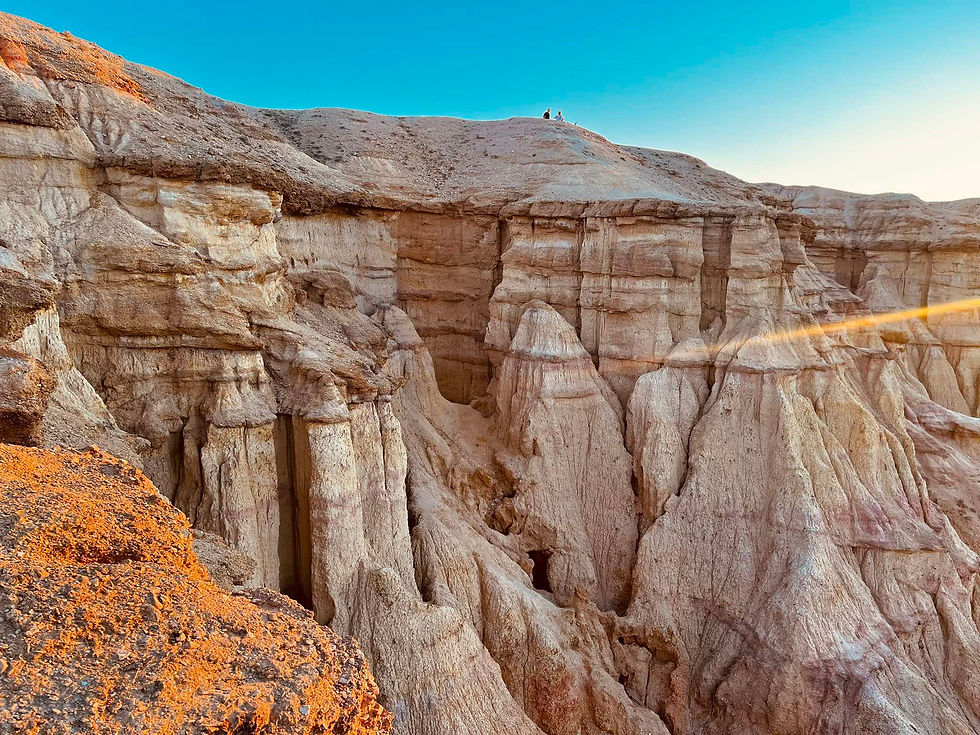
There is deep history here too. UNESCO lists more than 200 archaeological sites, including Copper Age rock paintings, ancient burial grounds and dinosaur fossil beds. For a traveler, that is the Gobi at its most layered: wildlife, herding life and prehistory in one landscape.
What this means for your trip
As of 30 September 2026, no new visitor rules, fees or facilities have been announced alongside the designation. Tost is not a stop on the classic Gobi loop, and Time Out judged it a destination better suited to experienced nature lovers than to casual visitors. If it appeals to you, here is how we would think about it:
Plan it as an extension, not a detour. Tost lies southwest of Gobi Gurvansaikhan National Park, so it fits best as extra days added to a South Gobi itinerary rather than squeezed into a short tour.
Keep your expectations honest. Snow leopards are famously elusive. Researchers track them with collars and camera traps, so a sighting on a short visit is a matter of luck. Ibex, argali and gazelle are more realistic hopes.
Pack for extremes. With a range from 40°C in summer to −35°C in winter, clothing and water planning matter more here than on the busier Gobi routes.
Travel lightly. This is herders' grazing land and a research area. Keep your distance from wildlife, stay on existing tracks and leave rock art and fossil sites untouched.

How Enza Tours can help
We run Gobi tours, and a mountain-and-wildlife extension is the kind of route we like to plan with you. Tell us how much time you have and what you hope to see, and we will tell you honestly whether Tost, or a closer range such as the mountains of Gobi Gurvansaikhan, is the better fit. For the classic route, see our 7-day Gobi Desert tour.
FAQ
What is a UNESCO Biosphere Reserve?
It is a site recognised under UNESCO's Man and the Biosphere Programme as a place where conservation and sustainable development are managed together. It is not the same as a UNESCO World Heritage Site. People continue to live and work inside biosphere reserves.
How many biosphere reserves does Mongolia have?
Tost Toson Bumbiin Nuruu is Mongolia's 13th, according to Montsame. The national news agency lists Bogd Khan Mountain near Ulaanbaatar, the Uvs Lake Basin, Khustai National Park and Gobi Gurvansaikhan National Park among the protected areas represented at the reserve's certificate workshop.
Can I see snow leopards in Tost?
The reserve has one of Mongolia's highest snow leopard densities, according to UNESCO, but the cats are rarely seen. Treat a sighting as a bonus rather than the goal. For an overview of the wildlife you may see, read our guide to Mongolia's wild animals.
Is Tost on the usual Gobi tour route?
No. The standard loop covers places like the Flaming Cliffs, Yolyn Am and the Khongor dunes, which we describe in Destinations Around Southern Mongolia. Tost lies further southwest, close to the Chinese border, and needs extra days and careful planning.


